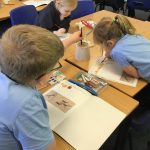
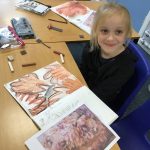
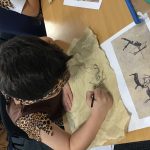
Art and Design at Park Spring Primary is delivered through a consistent, whole-school approach that has been embedded for several years. All teachers are provided with carefully planned unit slides, sketchbook WAGOLLs, and supporting resources, ensuring a shared understanding of expectations and high-quality delivery across the school. This consistency allows pupils to experience a coherent curriculum, regardless of class or teacher.
Teaching follows a clear and structured learning cycle of evaluating, developing skills, planning, and creating. Pupils begin by exploring the work of artists, designers, and craftspeople, discussing what they can see and expressing opinions using subject-specific vocabulary. Skills are then explicitly taught and practised in isolation before being applied within sketchbooks. Sketchbooks are used as working documents to explore ideas, record observations, practise techniques, and reflect on learning. Pupils then plan and create final outcomes that draw directly on this prior learning. This structure supports pupils to revisit and build on previous knowledge, develop confidence, and build resilience through purposeful creative challenge.
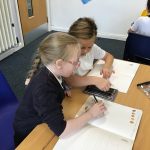
Sketchbooks are central to the implementation of Art and Design and travel with pupils throughout their time at Park Spring. Teachers model artistic processes by working alongside pupils and providing live demonstrations and verbal feedback. Assessment is ongoing and formative, drawing on sketchbook evidence, observation, and pupil voice. Teachers regularly revisit prior learning through retrieval activities and discussion, supporting pupils to make connections across units and year groups. Progression of skills, knowledge, and vocabulary is centrally guided by the subject lead, ensuring learning builds coherently from Year 1 to Year 6.
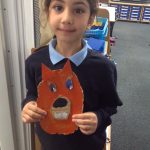
The curriculum is enriched through carefully planned first-hand experiences that are mapped directly to units of work. Pupils benefit from artist-led workshops, including a Roman mosaic workshop in Year 4 and a dance workshop linked to animal themes in Year 1. Educational visits further enhance learning, such as Year 5’s visit to Cartwright Hall to study the work of David Hockney, Year 6’s visit to Yorkshire Sculpture Park to explore the work of Henry Moore, linked to World War II learning in History, and Year 3’s exploration of Leeds architecture, supporting strong cross-curricular links with Geography. These experiences are explicitly referenced within lessons and sketchbooks, deepening understanding and raising aspiration.
Adaptive teaching in Art is primarily achieved through high-quality scaffolding, modelling, and structured lesson design, particularly in the lower school where this is embedded for all pupils. Knowledge organisers, shared vocabulary, visual exemplars, and step-by-step guidance ensure that all pupils can access the same ambitious curriculum. While adaptations are currently focused on supporting pupils through process and outcome, the subject lead continues to review and develop approaches to ensure pupils with SEND are supported effectively as they progress through the school.
Our long-term plan ensures progression across year groups, with skills and knowledge mapped out to align with national curriculum objectives. Artists studied include Frida Kahlo, David Hockney, Henry Rousseau, Georgia O’Keeffe, J.S. Lowry, and more, offering cultural capital and inspiration throughout the key stages. Units such as Anglo-Saxon illuminated manuscripts, Stone Age cave art, and Roman mosaics also ensure cross-curricular links with history and geography.
Art lessons are inclusive and accessible to all learners, with opportunities for support and challenge. We use visual scaffolds, modelled examples, and vocabulary-rich knowledge organisers to promote subject-specific language and improve knowledge retention. Children are encouraged to critique their own and others’ work using appropriate vocabulary and reflect on how artists communicate ideas.
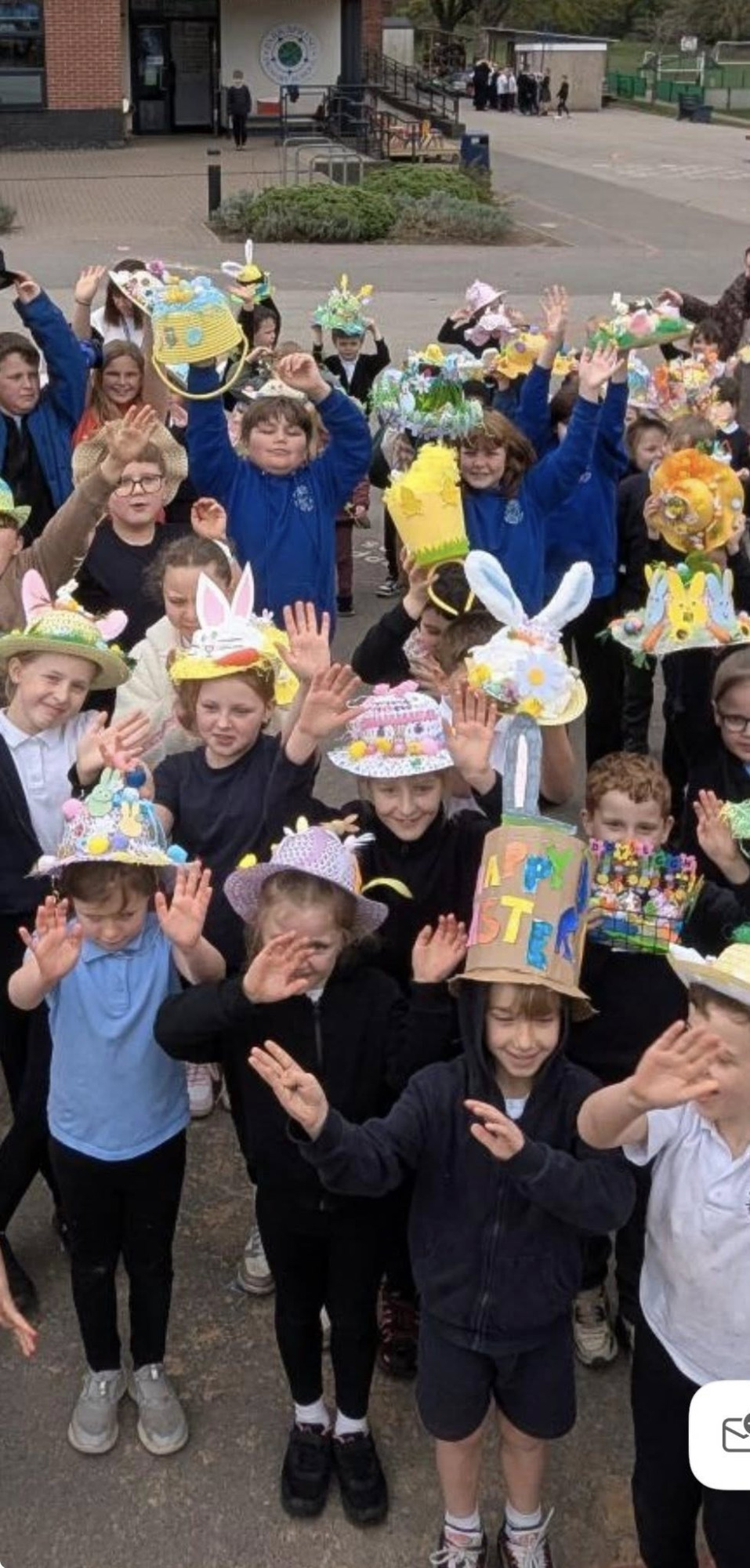
Extra-curricular enrichment is provided through themed art days and experiences.
By the time pupils leave Park Spring Primary, they have developed a secure understanding of a wide range of artistic skills, techniques, and processes, which they can apply confidently and independently. Pupils can talk knowledgeably about artists, styles, and materials, using subject-specific vocabulary to explain their ideas, preferences, and creative choices.
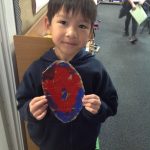
Sketchbooks demonstrate clear progression in drawing, painting, sculpture, and use of materials, showing how pupils evaluate work, practise skills, plan ideas, and refine outcomes over time. Pupils are confident to experiment, take creative risks, and persevere when faced with challenge, demonstrating resilience and pride in their work. Outcomes are varied and individual, reflecting a strong emphasis on process rather than a single end product.
Pupil voice shows that children enjoy Art and Design and feel confident expressing themselves creatively. Through exposure to diverse artists, first-hand experiences, and visits to galleries and workshops, pupils develop cultural awareness, curiosity, and aspiration. The Art curriculum supports pupils’ personal development, wellbeing, and confidence, ensuring they leave Park Spring as creative, reflective, and resilient learners with a strong foundation for future learning.
The impact of our Art provision is visible in sketchbooks, displays, and through pupil voice. Children enjoy talking about their work, celebrating their achievements, and evaluating their artistic journey. Regular assessment against clear learning objectives ensures that all pupils, including those with additional needs, make good progress.
Above all, pupils leave Park Spring with a lifelong appreciation for the visual arts, feeling empowered to express themselves creatively and to engage with art in the wider world with curiosity, respect and enthusiasm.
April 2, 2026

